Small groups and individualized guidance
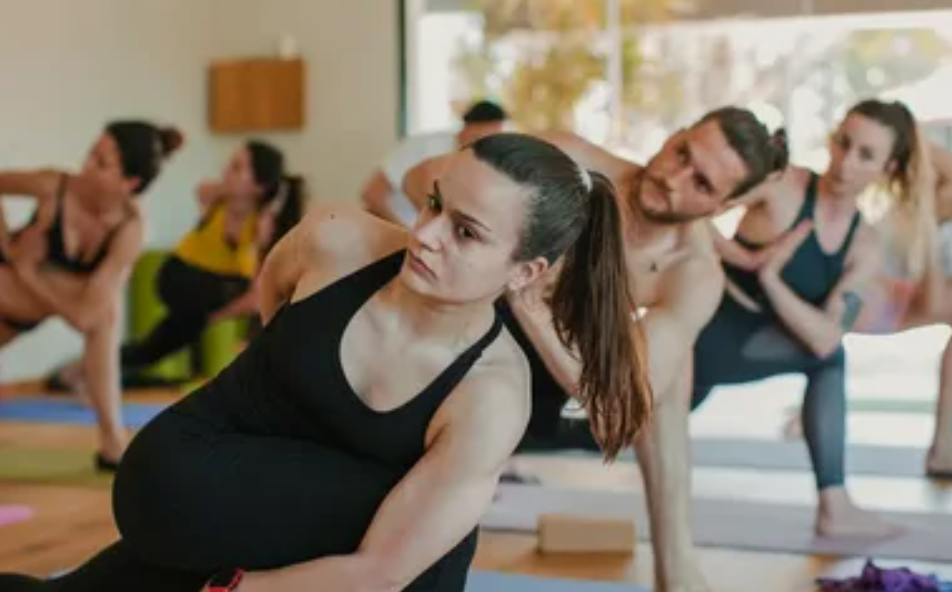
Retreats are intentionally limited in size to allow teachers to attend to individual needs and subtle adjustments. This design fosters safer alignment work and personalized sequencing so each participant receives options that suit mobility, prior injuries and personal pacing. In a small group, teachers can offer one-on-one moments embedded within group classes—short posture cues, breathing adjustments, or guided variations that help the student access embodied understanding rather than simply mimicking shapes. This individualized attention reduces the risk of overstretching, accelerates learning through direct feedback, and creates space for mentorship conversations that surface underlying habits tied to tension patterns. The structure also helps quieter or less confident attendees integrate gradually: within a small cohort they are more likely to ask questions, try new techniques, and receive supportive feedback. Over the retreat, these micro-adjustments compound into meaningful improvements in movement literacy, confidence and the ability to carry practices forward safely at home.
Balanced scheduling: movement, rest and integration windows
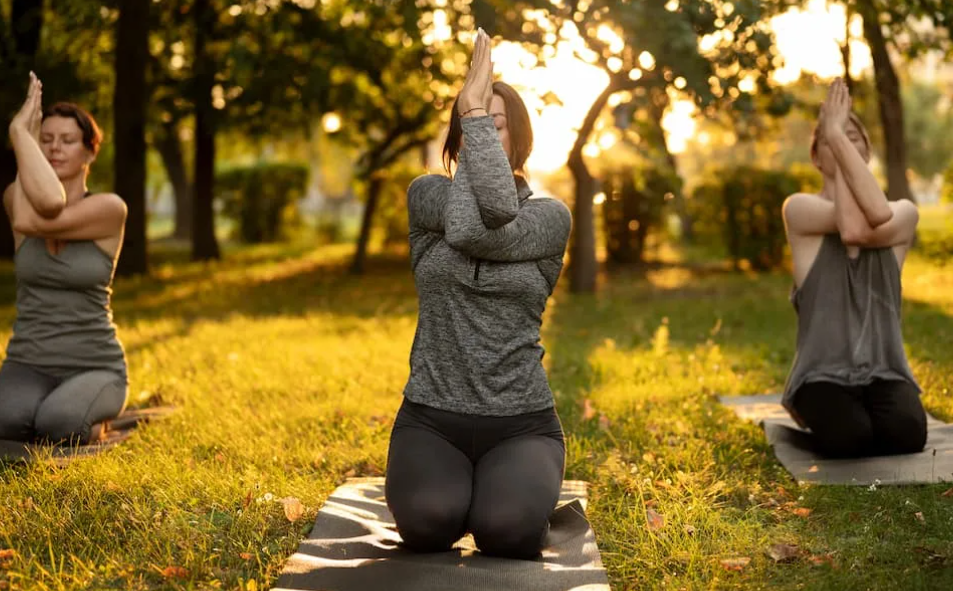
Each program blends active flow sessions with long restorative windows and quiet time. This deliberate pacing prevents overstimulation—active classes elicit circulation and proprioceptive learning while restorative periods support nervous system down-regulation and tissue repair. Integration windows are scheduled so participants can journal, walk in nature, or practise guided meditations that consolidate embodied learning. Rather than back-to-back activity, our days include gentle transitions and buffer periods that honor digestion, sleep rhythms and mental processing. This model benefits those seeking therapeutic shifts (stress reduction, chronic tension relief) and those pursuing peak performance (improved focus, better sleep), because the nervous system requires both challenge and safety to re-pattern habitual responses. By sequencing work with recovery, retreatants leave with an experiential template they can replicate at home—short daily practices that combine mobility, breath and intentional rest to sustain benefits.
Evidence-informed breathwork and somatic methods
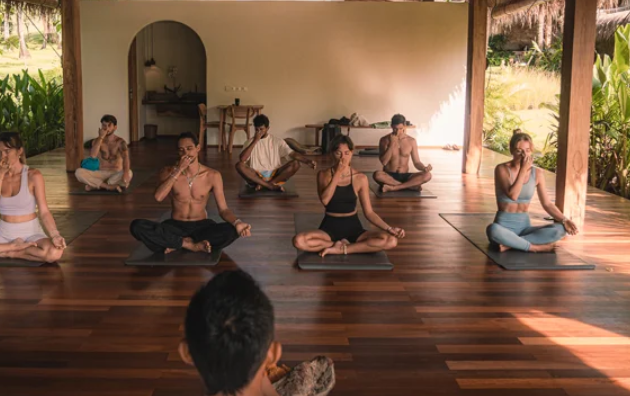
Breathwork sessions draw on neurophysiological principles that influence autonomic balance, attention and arousal. Teachers guide practices that enhance vagal tone, improve respiratory efficiency, and create accessible entry points for calming the mind. Somatic tools—movement explorations that tune proprioception and body awareness—help participants notice habitual holding patterns and gradually re-organize movement with gentleness. These methods are scaffolded with clear safety frameworks: practitioners are taught to self-regulate, recognize over-arousal, and use grounding anchors when practices stimulate difficult memories or intense sensations. Because breath and somatic work can produce strong effects, our facilitators prioritize consent, pacing and options—breath practices are offered via tiered intensity and are always accompanied by integration support, ensuring practices empower rather than overwhelm. Over time, these tools translate into better stress resilience, improved sleep, and a more embodied sense of agency in daily life.
Nourishing, seasonal cuisine that supports recovery
Meals are designed to complement practices—light, nutrient-dense and attuned to circadian needs—so digestion supports energy and sleep. A focus on seasonal produce reduces digestive load and provides micronutrients that support repair and mood regulation. We cater to common dietary needs with clear labeling and chef-led options for vegetarian, gluten-free or allergy-sensitive guests. Nutrition education is woven into practical advice: hydration strategies pre- and post-practice, timing of carbohydrate and protein intake for recovery, and simple at-home recipes that sustain post-retreat momentum. By aligning food with practice, participants often report less post-practice fatigue, better evening rest, and a clearer sense of what dietary choices support long-term wellbeing.
Safe, accessible movement for mixed-level groups
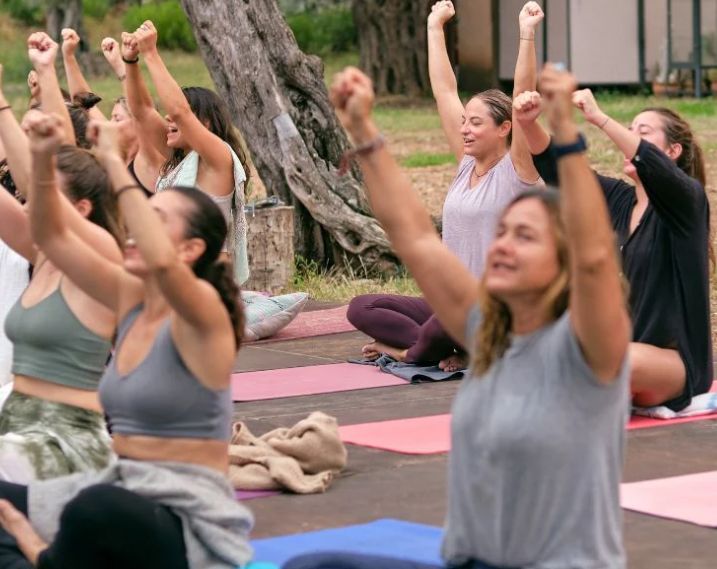
Our teachers emphasize movement literacy—teaching the principles that underlie postures rather than pushing for extreme shapes. This enables beginners to build confidence while experienced practitioners find depth in refinement. Modifications and progressive sequencing ensure everyone can participate without risk of injury: we use preparatory exercises, micro-movements, and breath-supported transitions to prepare tissues and joints. Accessibility considerations include chair-friendly sequences, low-impact alternatives, and guided options for those with limited mobility. The result is a welcoming environment where skill-building is prioritized over competition, and where sustainable practice becomes feasible for daily life regardless of age or prior fitness level.
Practical takeaways and post-retreat support
Each retreat includes concise takeaway resources—short recorded practices, morning routines and breath sequences—that participants can incorporate into busy lives. We also offer optional follow-up calls to personalise home programs and suggest incremental progressions. This aftercare helps prevent the common fade-out effect where retreat benefits diminish quickly after returning to routine. By giving simple, adaptable tools and a two-week integration plan, we help guests sustain gains: improved sleep patterns, calmer stress responses and a portable set of movement habits. For those wanting deeper immersion, we provide next-step pathways—longer programs, teacher training tracks, or small-group mentorship—so personal development continues with clear structure and measurable milestones.